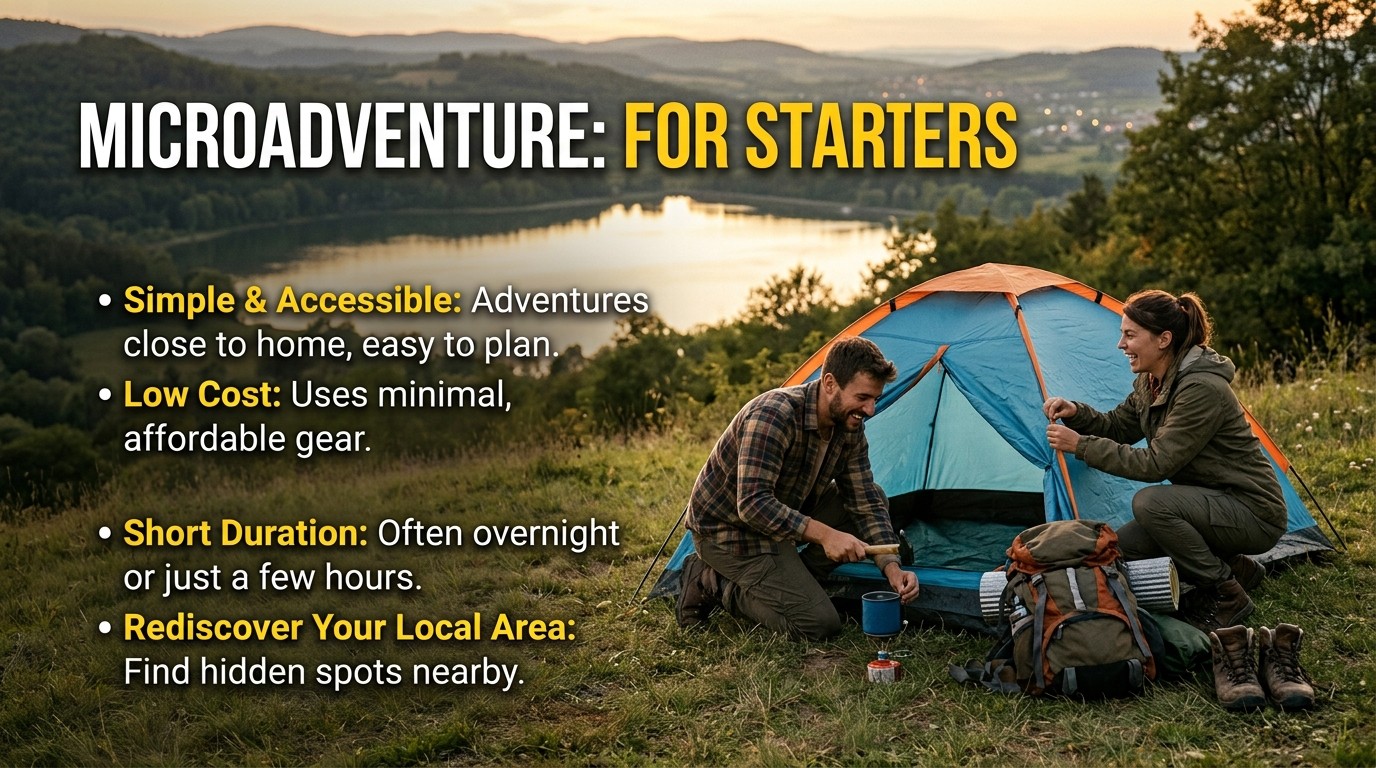
Microadventure is a small, low-cost escape that fits real life, builds confidence, and helps beginners rediscover nature, movement, and freedom without needing a big budget or long leave.
Microadventure is a simple way to step out of routine and into a memorable experience without turning travel into a complicated project. For starters, the idea is not to chase distance or status. It is to create freshness, curiosity, and a little thrill using time and space you already have. Microadventure works because it lowers the barrier to action. You do not need a month off, a perfect itinerary, or expensive gear. You need a small plan, a willing mind, and enough openness to let a short trip feel bigger than it looks on paper. That is why Microadventure often feels easier to begin than traditional travel.
Why Beginners Connect With It So Fast
Microadventure appeals to beginners because it gives them a win they can actually complete. Many people want adventure, but they hesitate when the trip sounds too long, too costly, or too difficult to organize. Microadventure removes that pressure by turning adventure into something ordinary people can fit into a weekday evening, a Saturday morning, or a quiet weekend. The psychological benefit matters here. When the first step feels possible, people move. When the first step feels huge, they postpone. Microadventure solves that by making the first step small enough to feel safe, yet meaningful enough to feel exciting. That combination is powerful for anyone who wants change without overwhelm.
The Psychology Behind Small Adventures
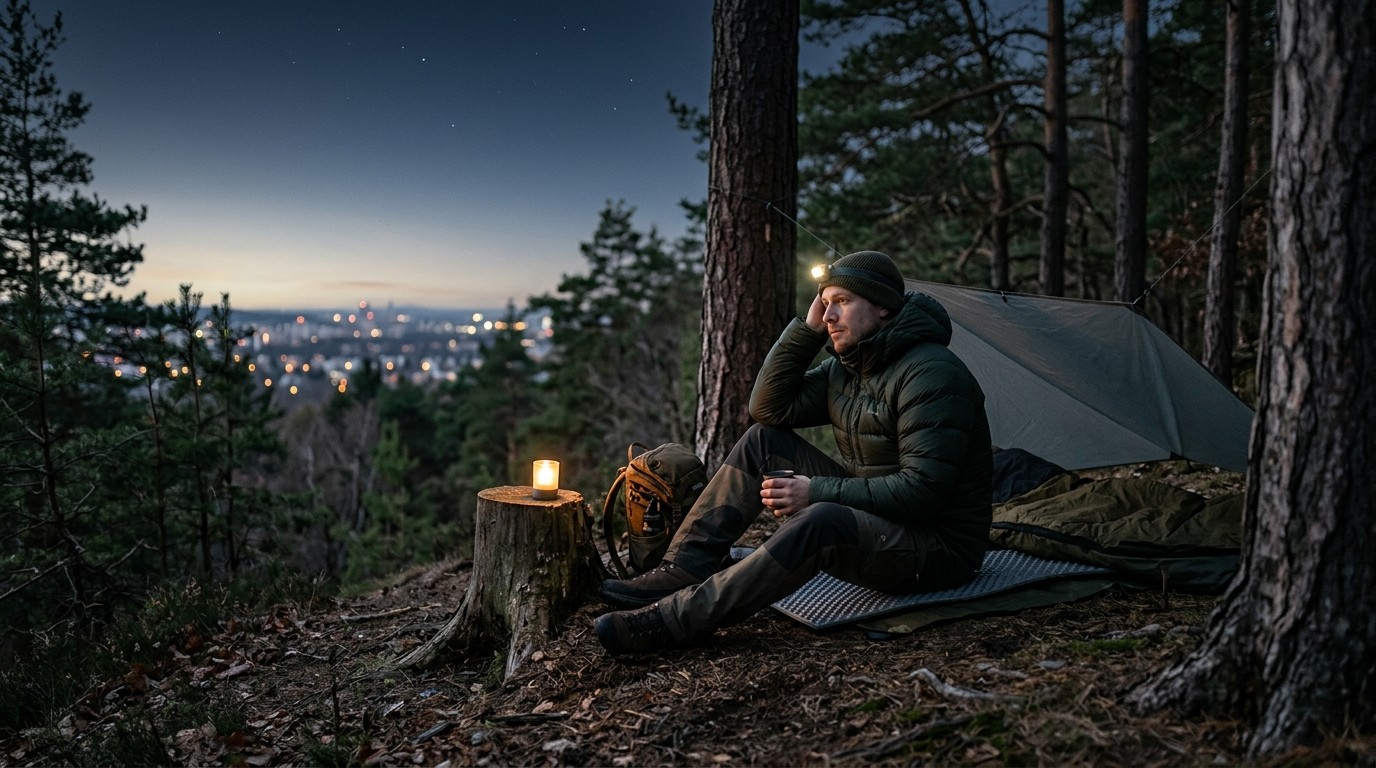
Microadventure works on the mind in a very smart way. Humans crave novelty, but they also avoid uncertainty when life already feels busy. A small adventure satisfies both needs. It gives the brain a fresh pattern, a new setting, and a sense of motion, while still preserving a familiar level of control. Microadventure also creates anticipation without heavy consequences. You can pack light, leave for a few hours, and return without the emotional load of a major trip. That is why many people feel refreshed after a short experience that looked modest from the outside. Microadventure uses novelty in a controlled dose, which is often exactly what modern attention and energy need.
Microadventure Compared With Bigger Travel
Microadventure is not trying to replace long-distance travel. It offers a different value. Big trips can be amazing, but they usually need more planning, more money, and more recovery time. Microadventure lets you experience movement and discovery without all that weight. It is especially useful when life is full, your budget is tight, or you want to travel more often instead of waiting for a perfect holiday window. Microadventure also helps people stay connected to nature and local surroundings between major trips. Instead of treating adventure as a rare event, you turn it into a repeatable habit. That shift matters because habits shape identity, and identity shapes what kind of life feels normal.
Choosing the Right Mindset Before You Start
Microadventure becomes much more enjoyable when you drop the idea that it has to be impressive. The goal is not to create a social media spectacle. The goal is to step into an experience that feels real to you. Beginners often improve their results when they think in terms of curiosity rather than performance. Ask what feels close, simple, and slightly outside the usual routine. A nearby trail, a quiet coast, an overnight camp, a sunrise walk, or a late train ride can all count. Microadventure becomes stronger when you choose emotional value over external validation. If the trip gives you a sense of presence, you are already doing it right.
How to Pick a Time Window
Microadventure is easiest when you assign it to a realistic time block instead of waiting for a vague future date. A few hours after work can be enough. So can one full day or a single overnight stay. The key is to protect the time so your plan stays real. Beginners often fail when they overpromise themselves a huge experience and then cancel because life gets busy. Microadventure solves that by being quick to schedule and easy to repeat. If you can leave after dinner, return before the next morning rush, or use a free Saturday, you already have a workable base. The less friction your timeline has, the more likely the trip will actually happen.
Where a Starter Should Go First
Microadventure usually works best when the destination is not too far and not too complicated. Start with places that are easy to access, safe to navigate, and simple to leave if plans change. A nearby forest, riverbank, hill, lake, or coastal path can provide the right amount of novelty without creating unnecessary risk. Beginners should avoid making the first outing too remote, because the point is to build confidence, not test endurance. A good starting place gives you enough change to feel the shift, but not so much that you get lost in logistics. Grows fastest when the location feels manageable and inviting at the same time.
Why Short Distance Can Still Feel Big
Micro adventure proves that emotional distance matters more than geographic distance. A place does not need to be far away to feel different from home. A train ride into the outskirts, a dawn hike to a viewpoint, or a picnic beside a river can create a fresh mental frame. Micro adventure succeeds because the brain registers contrast. You moved, you changed context, and you paid attention in a new way. That is often enough to create the feeling of being away. Beginners sometimes assume a trip must be dramatic to be meaningful, but small shifts can be deeply restorative. Micro adventure is built on that simple truth, and it is one reason so many people return to it again and again.
Gear That Keeps Things Simple
Micro-adventure is easier when your gear supports quick movement rather than bulky commitment. For starters, pack only what helps you stay comfortable, dry, safe, and flexible. A small bag, water bottle, light snack, weather-appropriate layer, and basic navigation tool often cover the essentials. The more complicated your setup, the more likely you are to delay the trip or feel drained by it. Beginners do better when the gear list is short enough to memorize. Micro-adventure is about mobility, not display. If you can pack fast and leave without stress, your equipment is doing its job. Minimal gear also keeps your attention on the experience instead of the equipment itself.
Planning Without Killing the Spontaneity
Micro-adventure needs just enough planning to avoid chaos, but not so much that the fun disappears. This balance is one of the main reasons people enjoy it. Pick a rough route, check the weather, know how to get home, and understand any local access rules. Then stop planning and let the rest stay flexible. Beginners often overplan because they want certainty, but too much detail can make a small adventure feel like a project report. Micro-adventure works best when structure creates freedom rather than pressure. If you know the basics, you can enjoy the open space between them. That is where the good part usually lives.
Budget-Friendly Adventure Thinking
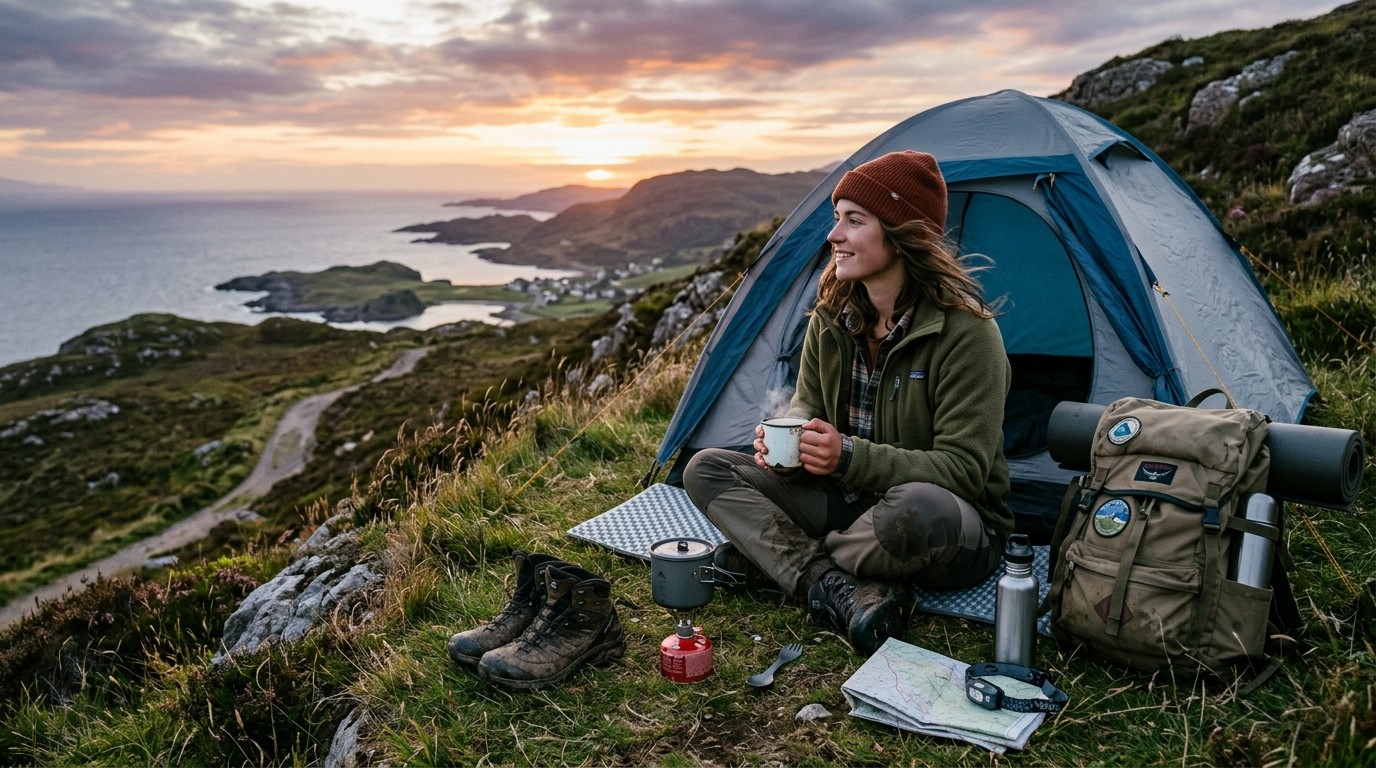
Micro-adventure is one of the easiest ways to experience movement without spending much. Because the distance is short and the time is limited, costs naturally stay lower than on traditional travel. You may only need transport, snacks, and maybe a simple overnight stay. Beginners appreciate this because it removes the guilt of “wasting money” on a short escape. Micro-adventure also teaches value differently. The point is not to buy intensity. The point is to create a satisfying change of scene with what is already available. That mindset can reshape how you think about leisure overall. Once people realize a rich experience does not require a big bill, they become far more willing to explore often.
Safety for First-Time Participants
Microadventure feels light, but it still deserves thoughtful safety habits. Beginners should tell someone where they are going, know the daylight plan, carry enough water, and avoid taking unnecessary risks just because the trip is short. A small outing can still include weather changes, tiredness, navigation mistakes, or poor visibility. Microadventure is not about proving bravery. It is about building confidence through smart choices. If the route feels uncertain, reduce the difficulty. If the weather is getting worse, turn back. If the area is unfamiliar, keep the plan simple. Safety habits do not weaken the experience. They make it possible to repeat it again and again.
Sustainable Travel Habits Start Here
Microadventure is a useful gateway to more responsible travel because it trains people to think locally and lightly. When you explore close to home, you often notice how your decisions affect the environment around you. You waste less, move more deliberately, and become more aware of public spaces. That awareness can shape future travel too. People who start with small, thoughtful trips are often better at respecting ecosystems, communities, and local rules later on. Microadventure can be a practical introduction to sustainability because it reduces the temptation to overconsume just to feel adventurous. It teaches that presence matters more than excess, and that is a valuable travel lesson.
How It Connects to Work and Rest
Microadventure also fits modern life because many people are trying to balance productivity with restoration. A short trip can create a clean break between work stress and personal time without demanding a full vacation. That matters for people who live on calendars and screens. A small outing can reset attention, improve mood, and make the next work block feel less heavy. Microadventure gives your brain a different rhythm to follow, which can be surprisingly effective. Instead of waiting for a long escape that may never come, you build recovery into ordinary time. That shift from “someday” to “this weekend” is one of the most useful parts of the idea.
Workation vs Vacation as a Planning Lens
Microadventure becomes easier to understand when you compare it with Workation vs Vacation. A workation blends duties and movement, while a vacation usually separates rest from labor more clearly. Microadventure sits in a more flexible space. It can be a break that is small enough to fit into a work-heavy season, yet refreshing enough to feel like real time away. For beginners, that makes Microadventure practical. You do not need to rewrite your entire schedule to enjoy it. You only need to protect a small pocket of time and let it feel different from routine. That distinction is important because it shows that adventure can live alongside responsibility.
Eco Travel vs Traditional Travel
Microadventure also lines up naturally with Eco Travel vs Traditional Travel. Traditional travel often depends on distance, consumption, and larger footprints, while eco-minded movement asks you to be thoughtful about scale, waste, and local impact. Microadventure usually encourages the second approach by default. Because the journey is short, it can be simpler, lighter, and more connected to nearby landscapes. Beginners who care about sustainability often find this reassuring. Microadventure shows that you do not have to choose between enjoyment and responsibility. You can leave a smaller trace while still creating something memorable. That makes the concept attractive not only for convenience, but also for conscience.
What to Do If Flying Makes You Nervous
Microadventure can also help people think differently about long trips that may trigger stress. For many travelers, Flight Anxiety Tips become relevant because fear of air travel can block bigger adventures. Starting small can reduce that pressure. A local outing or an overnight getaway helps you practice planning, packing, leaving home, and returning with a sense of control. Microadventure does not cure anxiety by itself, but it does build confidence in movement. That matters because confidence often grows through repetition. When the nervous system learns that travel can be manageable, bigger journeys become less intimidating. Small wins can change how the mind responds to future departures.
Where Health Preparation Fits In
Microadventure may be local, but health awareness still matters, especially when your plans involve different climates, regions, or outdoor conditions. Travel Vaccinations are not always needed for a short outing, yet the larger habit of checking health requirements is still useful. A thoughtful traveler learns to consider the environment before leaving, whether that means hydration, insect protection, sun exposure, or medical preparation. Microadventure works best when you treat preparedness as normal rather than dramatic. This is one reason beginners grow through it. They build the habit of checking conditions, packing sensibly, and respecting the place they are entering. Those habits carry forward into every kind of travel.
First Simple Ideas You Can Try
Microadventure becomes easier when you stop waiting for the perfect plan and try a small idea immediately. Take a sunrise walk to a viewpoint and return before breakfast. Ride public transport to an unfamiliar town and explore only on foot. Camp one night close to home and practice a low-stress routine. Visit a river, beach, or hill you have never paid attention to before. The trip does not need to be elaborate to be real. Microadventure often begins with a question: what is close enough to reach, but different enough to notice? Once you answer that, you are already moving in the right direction.
How to Make It Feel Special
Microadventure becomes memorable when you treat it as intentional rather than accidental. Choose a few small rituals that mark the difference between routine and adventure. Pack a favorite snack, leave at an unusual hour, take photos only after you have spent a while observing, or journal for five minutes when you arrive. These small actions tell your mind that the day matters. Microadventure does not need luxury to feel meaningful. It needs attention. Beginners often underestimate how much atmosphere comes from intention. The same place can feel ordinary or transformative depending on how you enter it. Small rituals create the emotional frame that helps the experience land.
Common Mistakes Beginners Make
Microadventure is simple, but beginners sometimes complicate it by expecting too much. They try to pack too many stops into one outing, bring too much gear, or choose a route that is more ambitious than their current energy level. Some also forget that the point is to feel refreshed, not exhausted. Microadventure works better when the first attempt is easy enough to finish with a sense of success. Another common mistake is waiting for motivation to appear before planning anything. In reality, a tiny plan often creates the motivation. If the trip feels too big, cut it down. If it feels too vague, make it concrete. The simplest version is usually the best version.
A Good First Weekend Formula
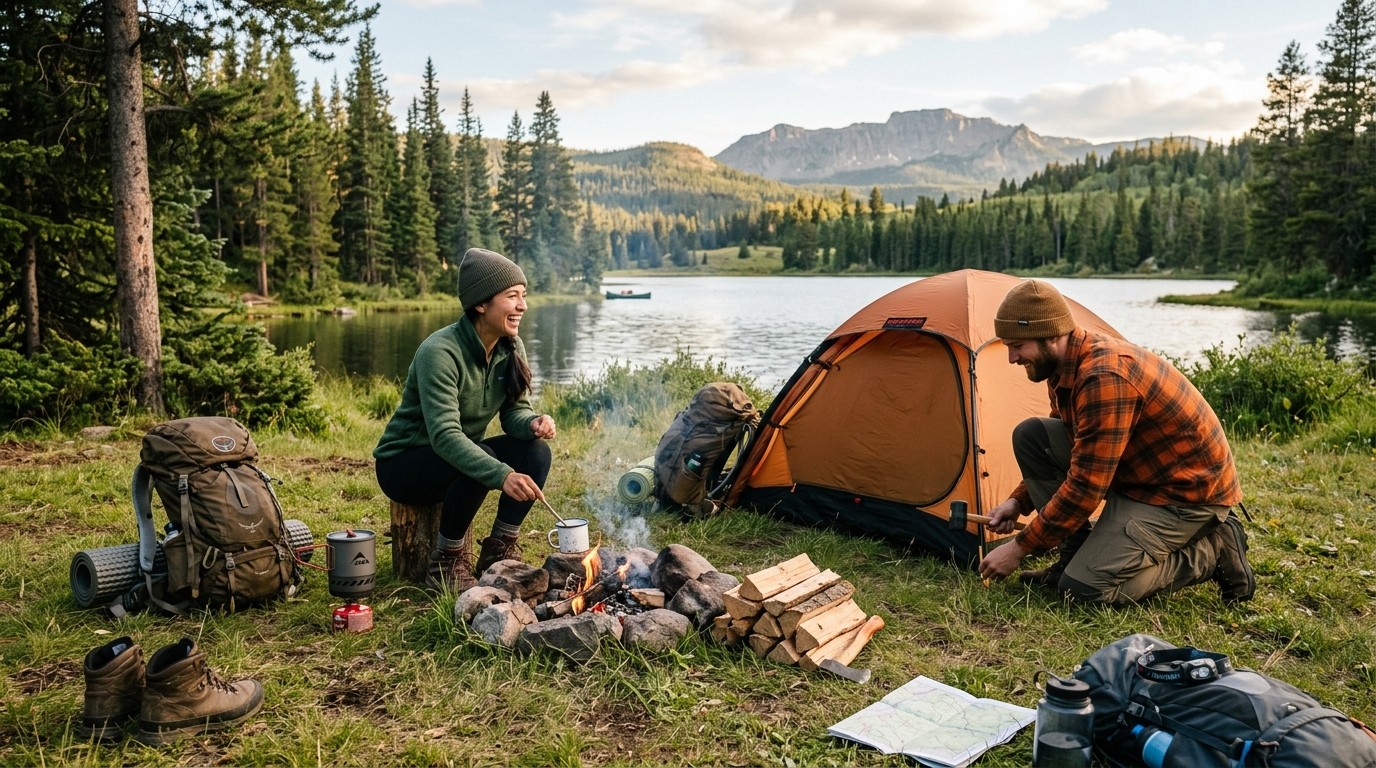
Microadventure often works well when you follow a simple weekend formula. Leave after work or early in the morning, travel to one nearby destination, spend time walking or sitting quietly, and return before the next week starts to feel heavy. This kind of rhythm keeps the experience compact and repeatable. Beginners should not underestimate how much recovery a short outing can provide. A single night away can change the mood of an entire week if it is done well. Microadventure becomes powerful when it is woven into life instead of placed outside it. That is what makes it sustainable as a habit, not just as a one-time idea.
How to Scale Up Without Losing the Spirit
Microadventure can stay small forever, or it can become the doorway to larger outdoor goals. Once you finish a few easy trips, you may want to extend the distance, add an overnight stay, or explore a more remote setting. That growth is healthy as long as you keep the spirit of simplicity intact. Beginners sometimes lose the charm by making every next trip more complicated. The better path is gradual growth with the same core values: low friction, clear purpose, and real presence. Microadventure scales best when you protect what made it satisfying in the first place. More challenge is fine, but more clutter usually is not.
Conclusion
Microadventure is a practical, low-pressure way for beginners to experience adventure without waiting for a perfect budget, a long holiday, or a distant destination. It works because it combines novelty with control, freedom with structure, and excitement with simplicity. That balance makes Microadventure especially valuable in modern life, where time is tight and attention is fragmented. By starting small, planning lightly, and staying open to local discovery, you can create meaningful memories close to home. Microadventure is not a lesser form of travel; it is a smarter way to begin. Once you understand that, every free day can become a chance to explore.
Frequently Asked Questions (FAQ)
1. What is Microadventure in simple words?
Microadventure is a short, affordable, and easy outdoor escape that feels refreshing without needing a long holiday or complex planning. For beginners, Microadventure is a low-risk way to build confidence and enjoy movement.
2. Is Microadventure only for outdoor lovers?
No. Microadventure can be a hike, a train ride, a river visit, a local overnight, or any small change of scene. The point is curiosity and freshness, not athletic skill. Microadventure works for many personalities.
3. How long should a Microadventure last?
It can last a few hours, a full day, or one overnight stay. The best version is the one you can actually complete. Microadventure is more about intention than duration, so short still counts.
4. Do I need special gear for Microadventure?
Usually no. A simple bag, water, weather-appropriate clothing, snacks, and basic navigation tools are enough for many starters. Microadventure becomes easier when gear stays light and practical.
5. Can Microadventure help me travel more often?
Yes. Because it is low-cost and easy to schedule, Microadventure can make adventure a regular habit instead of a rare event. That is one reason it helps beginners stay consistent.
6. How do I choose a first destination?
Pick somewhere close, safe, and easy to leave if needed. A park, hill, lake, or quiet town can work well. Microadventure is strongest when the destination feels accessible rather than intimidating.
7. Is Microadventure good for busy people?
Very much so. It fits into evenings, weekends, and short breaks without demanding a full vacation. Microadventure gives busy people a realistic way to reset.
8. Does Microadventure have to be adventurous in the extreme sense?
No. The adventure comes from stepping outside routine, not from taking big risks. Microadventure is about discovery, not danger, and that makes it beginner-friendly.
9. Can I do Microadventure alone?
Yes. Solo Microadventure can be calming and confidence-building. Start with well-known areas, tell someone your plan, and keep the first outing simple. Microadventure can be social or solo depending on your style.
10. What makes Microadventure worth trying?
It is easy to start, low pressure, and surprisingly refreshing. Microadventure helps you feel alive without needing a large budget or a long wait, which is why so many beginners enjoy it.