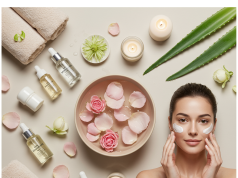
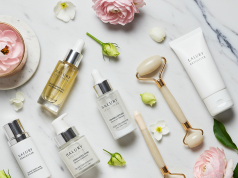
Personalized skincare focuses on tailored routines, proper ingredients, and consistency to achieve healthy skin, while adapting to changing needs and maintaining long-term results through informed choices and care.
Achieving radiant, healthy skin begins with a routine that’s tailored specifically to you. Gone are the days of one-size-fits-all products and generic regimens. In 2024, personalized skincare is the gold standard, combining professional insights, advanced formulations, and sustainable practices. Whether you’re battling breakouts, combatting premature aging, or simply striving for that coveted glow, this comprehensive guide will walk you through every step to build—and maintain—a routine that works for your unique skin type and lifestyle.
Understanding Your Skin Type
The foundation of any effective skincare routine is a clear understanding of your skin type. Broadly, skin types fall into five categories:
- Normal: Well-balanced, neither too oily nor too dry.
- Oily: Excess sebum production, prone to acne and enlarged pores.
- Dry: Flaky, tight, or rough texture due to lack of moisture.
- Combination: Oily in the T-zone (forehead, nose, chin) and dry or normal elsewhere.
- Sensitive: Easily irritated, prone to redness or inflammation.
To identify your type, observe how your skin feels an hour after cleansing, note any shine or dryness, and consult a dermatologist if in doubt. A professional skin analysis can also reveal concerns like pigmentation, vascular issues, or underlying inflammation.
Key Ingredients to Look For
Once you know your skin type, choose products with ingredients proven to address your concerns. Here are some science-backed favorites:
- Hyaluronic Acid: A powerful humectant that attracts up to 1,000 times its weight in water. Ideal for all skin types, especially dry and dehydrated skin.
- Niacinamide: Also known as vitamin B3, it regulates oil production, strengthens the skin barrier, and reduces redness.
- Retinol (Vitamin A): Promotes cell turnover, improves texture, and minimizes fine lines. Introduce slowly to avoid irritation.
- Vitamin C: A potent antioxidant that brightens skin, fights free radicals, and boosts collagen synthesis.
- Ceramides: Essential lipids that reinforce the skin’s protective barrier, locking in moisture and preventing sensitivity.
- Salicylic Acid: A beta hydroxy acid (BHA) that penetrates pores to exfoliate and clear congestion. Perfect for acne-prone, oily skin.
Crafting Your Daily Routine
An effective daily skincare routine typically follows a five-step structure: cleanse, tone, treat, moisturize, and protect. Adjust each step based on your skin type and concerns.
Step 1: Cleansing
Double cleansing has become a ritual for many. Start with an oil-based cleanser to dissolve makeup, sunscreen, and excess sebum. Follow with a gentle, water-based cleanser to remove sweat and debris. For dry or sensitive skin, use a cream or gel cleanser. If you have oily or acne-prone skin, opt for a foaming or salicylic acid cleanser.
Step 2: Toning
Modern toners focus on hydration and pH balance rather than astringent effects. Look for alcohol-free formulas with soothing ingredients like rose water, aloe vera, or niacinamide. Pat gently onto your skin with clean hands or a reusable cotton pad.
Step 3: Treating
This is where serums and targeted treatments come in. Depending on your goals, choose serums with active ingredients like vitamin C for brightening, retinol for anti-aging, or salicylic acid for blemish control. Layer the thinnest formulas first, allowing each to absorb fully before proceeding.
Step 4: Moisturizing
Select a moisturizer that complements your skin’s needs: lightweight gel textures for oily skin, richer creams or balms for dry skin, and barrier-repairing formulas with ceramides for sensitive skin. Don’t skip this step—hydrated skin maintains resilience and a youthful appearance.
Step 5: Sun Protection
Sunscreen is non-negotiable. Use a broad-spectrum SPF of at least 30 every morning, even on cloudy days. For oily or acne-prone skin, choose a matte-finish, non-comedogenic formula. Reapply every two hours when exposed to direct sunlight.
Weekly Rituals for Enhanced Results
Beyond your daily routine, incorporate weekly treatments to boost results and maintain skin health.
- Exfoliation: Use a gentle chemical exfoliant (AHA/BHA) 1–2 times per week to slough away dead skin cells and unclog pores.
- Masks: Clay masks absorb excess oil, hydrating masks restore moisture, and sheet masks infuse targeted ingredients for a quick pick-me-up.
- Facial Massage or Gua Sha: Stimulates circulation, promotes lymphatic drainage, and enhances product absorption. Spend 3–5 minutes using clean tools or hands.
Embracing Sustainable Beauty
Personalized skincare isn’t just about efficacy; it can also be eco-friendly. Here’s how to make your routine more sustainable:
- Choose Refillable or Recyclable Packaging: Brands are increasingly offering refills for cleansers, serums, and moisturizers.
- Buy Concentrated Formulas: Powder-to-liquid cleansers and solid cleansers reduce water weight in shipping.
- Support Clean, Cruelty-Free Brands: Research certifications like Leaping Bunny or PETA-approved to ensure ethical practices.
- DIY When Possible: Simple masks using honey, oats, or yogurt can be effective and reduce plastic waste.
Expert Tips for Long-Term Success
1. Patch Test New Products:
Always perform a patch test to avoid unexpected reactions, especially with potent actives like retinol or vitamin C.
2. Keep a Skincare Diary:
Track products, frequency, and any changes in your skin. This log helps you identify triggers and optimize your regimen.
3. Adjust Seasonally:
Switch to lighter textures in summer and richer creams in winter to accommodate environmental changes.
4. Consult Professionals:
Dermatologists, aestheticians, and cosmetic chemists can provide personalized recommendations and treatments like chemical peels or microdermabrasion.
The Science Behind Personalized Skincare
In today’s beauty landscape, personalized skincare has evolved from a trend into a necessity. Unlike generic routines, a tailored approach considers your skin’s biology, environment, and lifestyle. Factors such as genetics, climate, diet, and stress levels all influence how your skin behaves. This is why a Personalized Skincare Routine delivers more effective and lasting results compared to one-size-fits-all solutions.
Modern skincare also integrates dermatological research and ingredient science. With advancements in formulation technology, products can now target specific concerns with precision. By understanding how your skin reacts to certain ingredients and conditions, you can build a Personal Skincare Routine that adapts over time, ensuring long-term skin health and resilience.
Identifying Your Skin Type and Concerns
Before building a routine, it is essential to accurately identify your skin type and underlying concerns. While common categories include oily, dry, combination, sensitive, and normal, many people experience overlapping issues such as dehydration, acne, or pigmentation.
A key part of personalized skincare is observation. Pay attention to how your skin reacts throughout the day does it become oily by midday or feel tight after cleansing? These signs help determine what your skin truly needs. Additionally, professional consultations can uncover deeper concerns like barrier damage or inflammation, which are crucial for designing an effective Personalized Skincare Routine.
Understanding your skin is not a one-time task. Seasonal changes, hormonal fluctuations, and lifestyle habits can all alter your skin’s behavior, requiring adjustments to your Personal Skincare Routine.
Choosing the Right Ingredients for Your Routine
Ingredients are the backbone of any successful personalized skincare strategy. Selecting the right actives ensures that your routine directly addresses your skin’s needs without causing irritation or imbalance.
For hydration, ingredients like hyaluronic acid and glycerin help retain moisture. Niacinamide is ideal for balancing oil production and improving skin texture, making it a versatile addition to any Personalized Skincare Routine. Retinol supports cell turnover and anti-aging, while vitamin C brightens the complexion and protects against environmental damage.
It is important to introduce active ingredients gradually. Overloading your Personal Skincare Routine with too many potent products can damage the skin barrier. Instead, focus on consistency and compatibility, ensuring each product complements the others for optimal results.
Building a Structured Daily Skincare Routine
A well-structured daily routine is the foundation of effective personalized skincare. Each step plays a specific role in maintaining skin health and enhancing results.
Start with cleansing to remove impurities and prepare your skin for treatment. Follow with toning to restore pH balance and provide hydration. Treatment steps, including serums, should target specific concerns such as acne, dullness, or fine lines.
Moisturizing is essential in every Personalized Skincare Routine, regardless of skin type, as it helps maintain the skin barrier. Finally, sunscreen protects against UV damage, which is one of the leading causes of premature aging.
Consistency is key. A disciplined Personal Skincare Routine practiced daily will yield better results than frequently changing products or skipping essential steps.
Enhancing Results with Weekly Treatments
While daily care forms the core of personalized skincare, weekly treatments can significantly boost results. These treatments target deeper concerns and improve overall skin texture and appearance.
Exfoliation helps remove dead skin cells, allowing better absorption of products in your Personalized Skincare Routine. Chemical exfoliants like AHAs and BHAs are often more effective and gentler than physical scrubs.
Face masks provide targeted benefits, whether it’s hydration, detoxification, or brightening. Incorporating facial massage techniques or tools like gua sha can also improve circulation and promote lymphatic drainage.
These enhancements should be used in moderation to avoid over-exfoliation or irritation. A balanced Personal Skincare Routine includes both daily maintenance and occasional treatments for optimal skin health.
Integrating Sustainability into Your Skincare Routine
Sustainability is becoming an essential component of personalized skincare. Consumers are increasingly aware of the environmental impact of their choices, leading to a shift toward eco-friendly practices.
Opting for products with recyclable or refillable packaging reduces waste while maintaining the effectiveness of your Personalized Skincare Routine. Choosing brands that prioritize ethical sourcing and cruelty-free testing also supports responsible consumption.
Additionally, simplifying your Personal Skincare Routine can minimize unnecessary product use. A minimal yet effective routine not only benefits your skin but also reduces environmental impact, aligning beauty practices with sustainability goals.
Long-Term Strategies for Healthy, Radiant Skin
Achieving lasting results with personalized skincare requires patience, consistency, and adaptability. Skin health is a long-term commitment, and quick fixes rarely deliver sustainable outcomes.
Tracking your progress through a skincare journal can help refine your Personalized Skincare Routine over time. Note how your skin reacts to different products and adjust accordingly. Seasonal changes should also influence your routine, with lighter formulations in warmer months and richer products during colder seasons.
Professional guidance can further enhance your Personal Skincare Routine. Dermatologists and skincare experts can recommend treatments and products tailored to your evolving needs.
Ultimately, personalized skincare is about understanding and respecting your skin. By building a routine that evolves with you, you can achieve a healthy, radiant complexion that reflects both care and consistency.
Frequently Asked Questions (FAQ)
How long before I see results?
It depends on the active ingredients. Hydrators like hyaluronic acid show immediate plumping, while retinoids can take 6–12 weeks to reveal visible improvement.
Can I layer multiple actives?
Yes, but introduce one active at a time and monitor for irritation. Avoid pairing strong acids with retinoids on the same night to minimize sensitivity.
Is natural always better?
Not necessarily. Some synthetic ingredients are more stable and bioavailable. Focus on efficacy, safety, and formulation quality rather than solely natural claims.
How often should I change my skincare routine?
You shouldn’t change your routine too frequently. Stick with a routine for at least 4–6 weeks to evaluate results. Adjust only when your skin’s needs change due to seasons, lifestyle, or specific concerns.
Can I use the same routine year-round?
Not always. Skin reacts to environmental changes, so your routine should adapt. Use lighter, oil-free products in warmer months and richer, hydrating formulas during colder seasons.
What is the correct order of applying skincare products?
Apply products from thinnest to thickest consistency. Typically: cleanser, toner, serum, moisturizer, and sunscreen (morning). This ensures proper absorption and effectiveness.
Do I need different routines for morning and night?
Yes. Morning routines focus on protection (especially sunscreen), while nighttime routines emphasize repair and treatment using active ingredients like retinol or exfoliants.
How do I know if a product is not working for me?
Signs include persistent irritation, redness, breakouts, or dryness. If symptoms continue after initial adjustment periods, discontinue use and consider alternatives better suited to your skin.
Is sunscreen necessary even if I stay indoors?
Yes. UV rays can penetrate windows and cause skin damage. Daily sunscreen use is essential to protect against premature aging and maintain overall skin health.
Conclusion
Building a personalized skincare routine is about understanding your skin’s unique needs, selecting targeted ingredients, and adopting sustainable habits. By following this guide assessing your skin type, choosing the right actives, and fine-tuning your regimen you’ll be well on your way to achieving a healthy, radiant complexion that lasts. Remember, consistency and patience are key. Here’s to your best skin ever!